
MARI HERNANDEZ
  • Home
  • About
  • Portfolio
    • El Lenguaje
    • Of Women
    • Untitled
    • What Remains
    • Offering
    • Mujeres
    • Hombres
    • As julia Pastrana
    • Quinceañera
    • Soldadera
  • Más Rudas
  • Collaborative Projects
  • Contact
Untitled 
2019
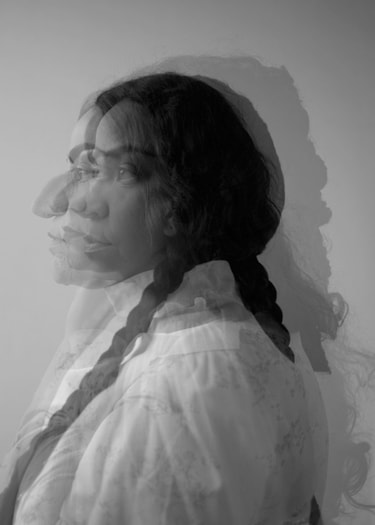
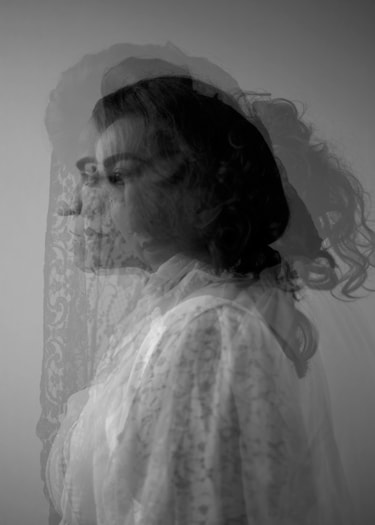
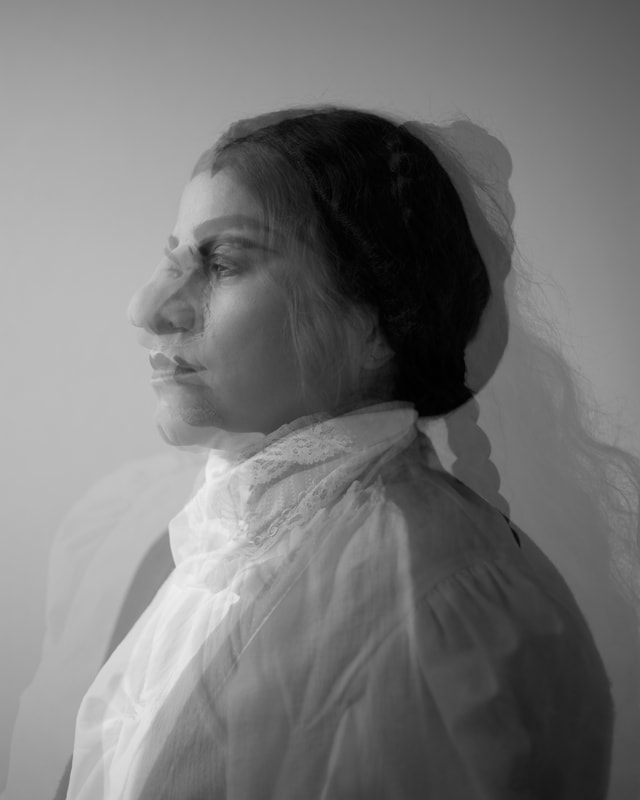
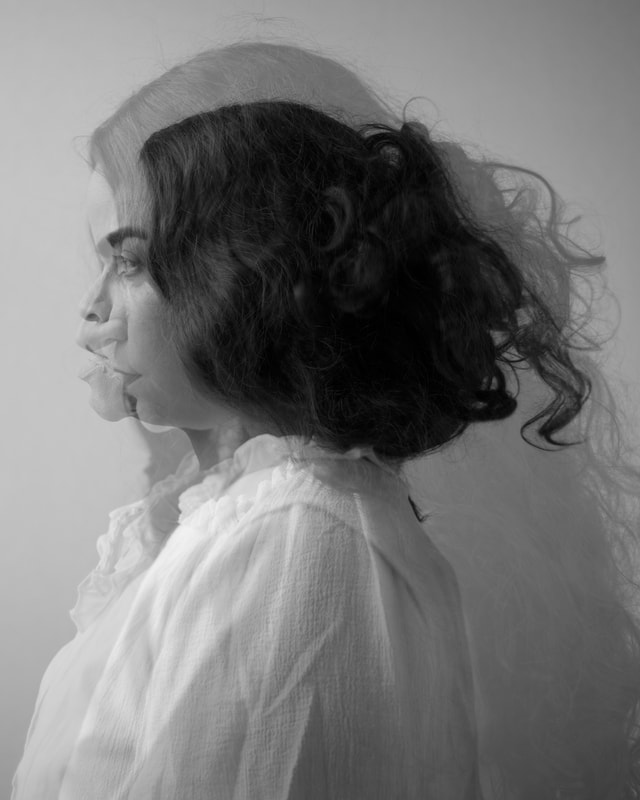
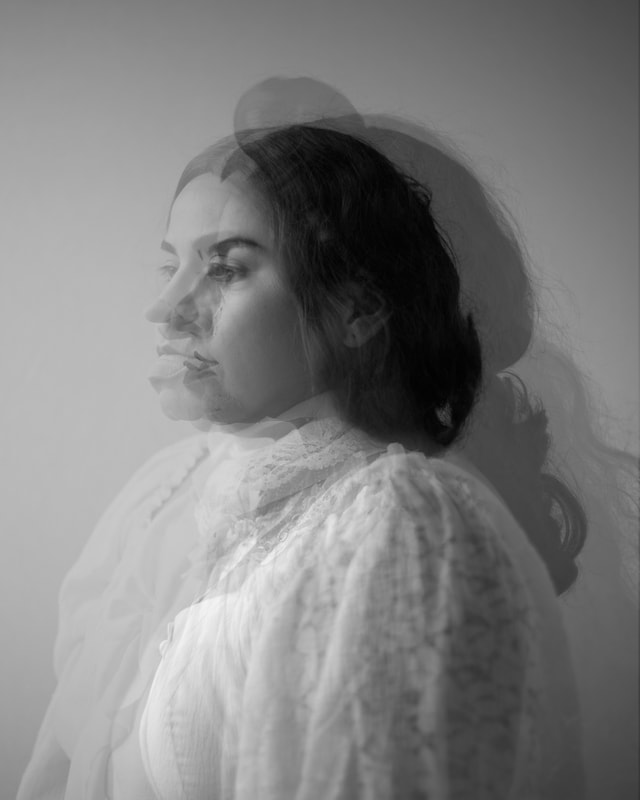
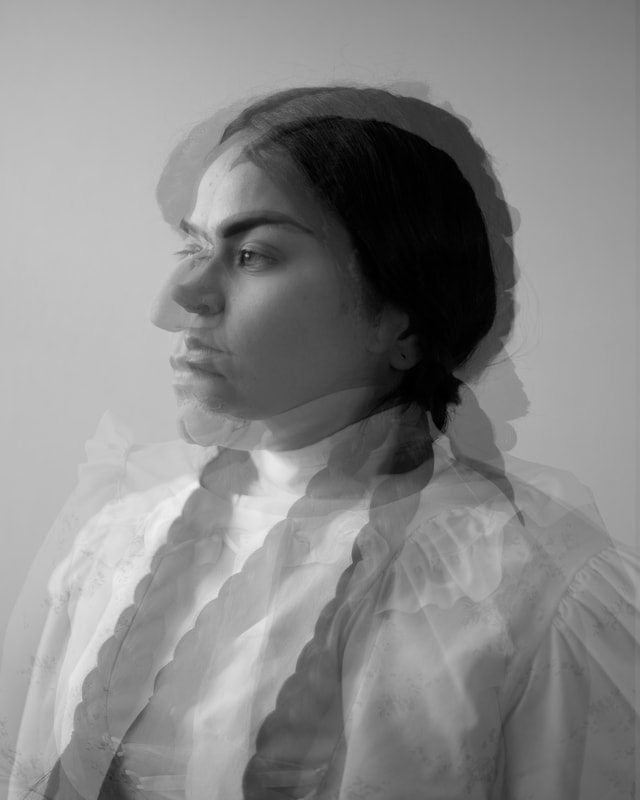
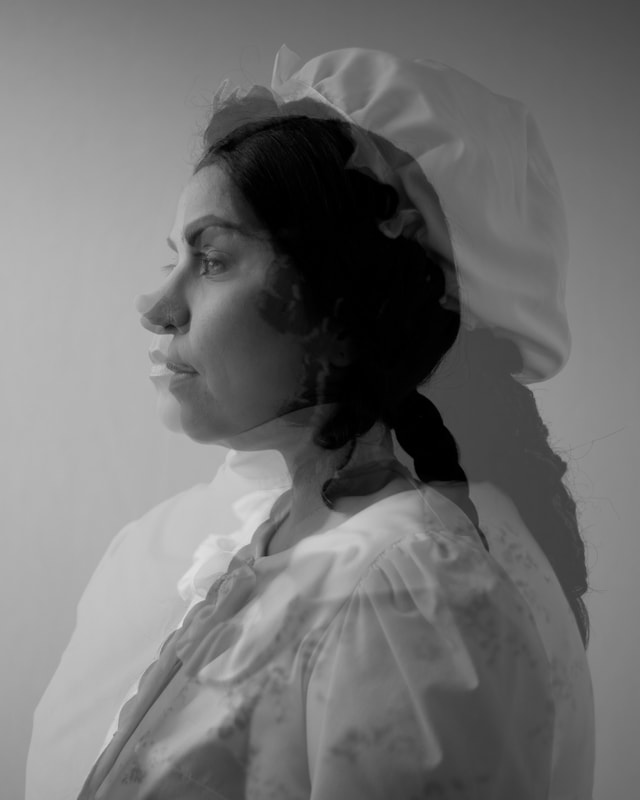
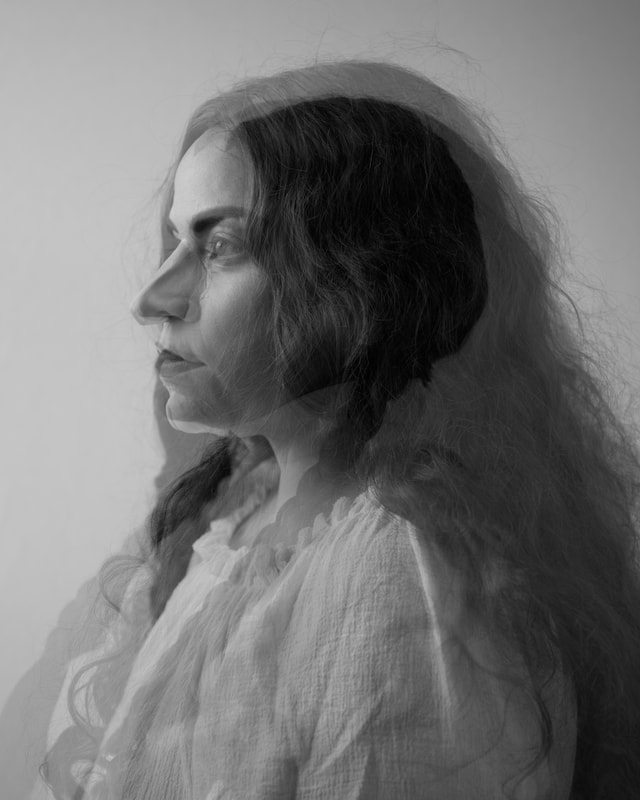
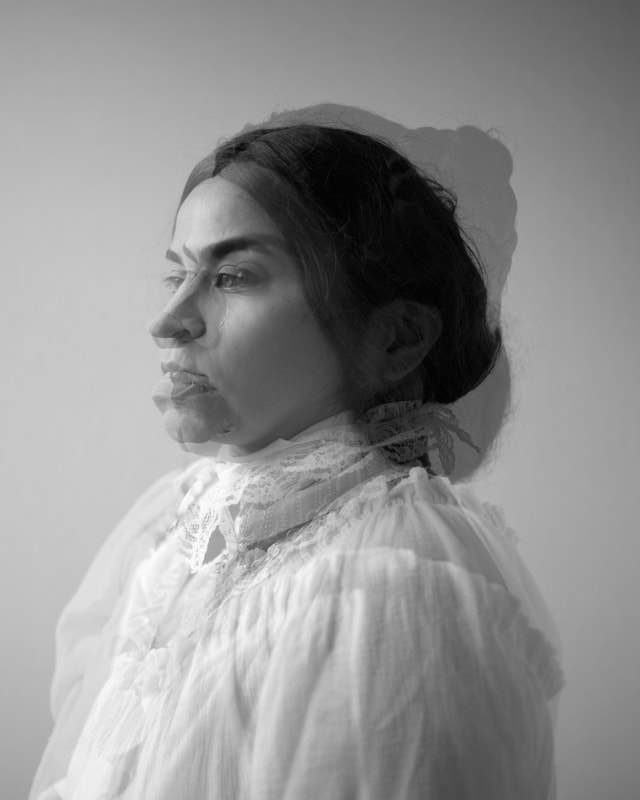
Untitled, 2019, inkjet print on photo rag, 8"x10"
These composite photographic self-portraits explore the theory of physiognomy and its relation to criminalization. Physiognomy was a means to generalize a person's character or identity through an analysis of facial features. A large, hooked nose, broad brows and a heavy chin defined the criminal look. Physiognomy has a direct link to the development of mugshots which occured not long after the invention of photography. Mug shots were studied and layered into composite photographs in order to identify common facial features that indicated criminal tendencies. This work speaks to the criminalization of a people based on physical appearance and its connection to the history of photography and portraiture. 
  • Home
  • About
  • Portfolio
    • El Lenguaje
    • Of Women
    • Untitled
    • What Remains
    • Offering
    • Mujeres
    • Hombres
    • As julia Pastrana
    • Quinceañera
    • Soldadera
  • Más Rudas
  • Collaborative Projects
  • Contact